¿Quién salió con Kōtoku Shūsui?
Kanno Sugako salió con Kōtoku Shūsui del ? al ?. La diferencia de edad fue de 9 años, 7 meses y 2 días.
Kōtoku Shūsui
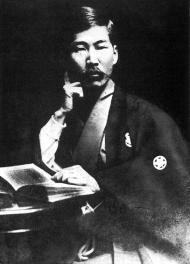
Kōtoku Denjirō (幸徳 傳次郎; November 5, 1871 – January 24, 1911), better known by the pen name Kōtoku Shūsui (Japanese: 幸徳 秋水; Japanese pronunciation: [koːtokɯ ɕɯːsɯi]), was a Japanese socialist and anarchist who played a leading role in introducing anarchism to Japan in the early 20th century. Historian John Crump described him as "the most famous socialist in Japan".
He was a prominent figure in radical politics in Japan, opposing the Russo-Japanese War by founding the Heimin-sha group and its associated newspaper, Heimin Shinbun. Due to disregard for state press laws, the newspaper ceased publication in January 1905, and Kōtoku served five months in prison from February to July 1905. He subsequently left for the United States, spending November 1905 until June 1906 largely in California, and he came into contact with other prominent anarchist figures such as Peter Kropotkin.
Upon his return, he contributed to a divide within the left-wing movement between moderate social democrats and the more radical advocates of direct action, the latter of whom he supported. The growth of the 'direct action' faction led to the banning of the Japan Socialist Party in February 1907, and is arguably the beginning of Japan's modern anarchist movement. He was one of the 12 accused who were executed for treason by the Japanese government in the High Treason Incident in 1911, under suspicion of involvement in a bomb plot to assassinate the Japanese Emperor Meiji.
Leer más...Kanno Sugako
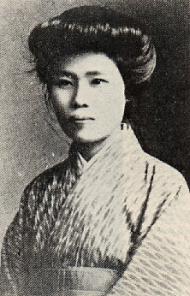
Kanno Sugako (idioma japonés: 管野須賀子, también llamada Kanno Suga; Osaka, 7 de junio de 1881- Ichigaya, 25 de enero de 1911) fue una anarco-feminista japonesa, de profesión periodista. Escribió una serie de artículos acerca de opresión de género y fue una defensora de la igualdad de derechos entre hombres y mujeres.
En 1910, fue acusada de traición por el gobierno japonés por su supuesto involucramiento en lo que fue llamado el Caso Kōtoku, cuyo objetivo era el asesinato del Emperador Meiji. Fue la primera mujer con el estatus de presa política que fue ejecutada en la historia moderna de Japón.
Leer más...